Stop Skipping Review: Why Revisiting Old Commands Is the Fastest Path to a Smarter Dog

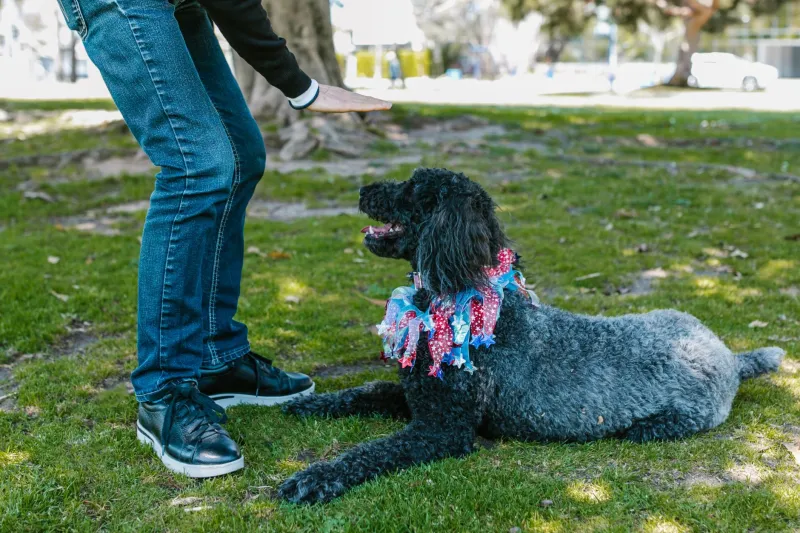
Here's a scenario that probably sounds familiar. Your dog nails a "down-stay" for two solid weeks. You feel great about it, cross it off your mental checklist, and move on to teaching a solid recall. Three weeks later, you ask for that down-stay and your dog looks at you like you just spoke Mandarin.
What happened? Nothing dramatic. You just stopped practicing it.
This is one of the most common — and most fixable — mistakes dog owners make. We treat training like a to-do list, checking off commands as we go. But your dog's brain doesn't work like a filing cabinet where learned skills just sit there waiting to be called upon. Skills need regular use to stay sharp. And here's the part that surprises most people: revisiting what your dog already knows isn't just maintenance. It's one of the most powerful training tools you're probably not using.
Why Learned Behaviors Fade (Even When You Think They Shouldn't)
From a neuroscience standpoint, skills that aren't regularly activated lose what researchers call "synaptic strength" — basically, the neural connections that make a behavior feel automatic start to weaken without reinforcement. This is true for humans learning a language or a musical instrument, and it's just as true for your Labrador learning to heel.
The fancy term for this in animal behavior science is "extinction" — and it doesn't mean your dog forgot everything overnight. It means that without continued reinforcement, a behavior gradually becomes less reliable. First it gets slower. Then it gets inconsistent. Then one day it's just... gone.
This happens faster than most owners expect, especially with behaviors that haven't been fully generalized across different environments. A "sit" that works perfectly in your kitchen might be half-reliable at the park if you've never really practiced it there.
The Hidden Bonus: Review Sessions Actually Unlock New Learning
Here's where it gets interesting. Going back to review commands your dog already knows isn't just about preventing skill decay — it actively primes your dog's brain for learning new things.
When a dog successfully performs a familiar behavior and gets rewarded, dopamine is released. That's the same feel-good neurotransmitter that drives motivation and focus. Starting a session with a few fluent, well-rewarded repetitions of known commands puts your dog in a mentally engaged, optimistic state — what trainers sometimes call a "learning ready" mindset.
Think of it like warming up before a run. You wouldn't sprint a mile cold. Your dog shouldn't jump straight into a complicated new behavior without a mental warm-up either. A few minutes of easy, successful reps with familiar commands sets the tone for the whole session.
Many experienced trainers at K9 Magic have noticed this pattern consistently: dogs introduced to new commands after a short review sequence tend to pick things up faster and with less frustration than dogs who go straight into novel territory. The warm-up isn't wasted time. It's an investment.
What a Real Review Session Looks Like
A review session doesn't need to be a big production. We're talking five to ten minutes, max. Here's a simple framework that works:
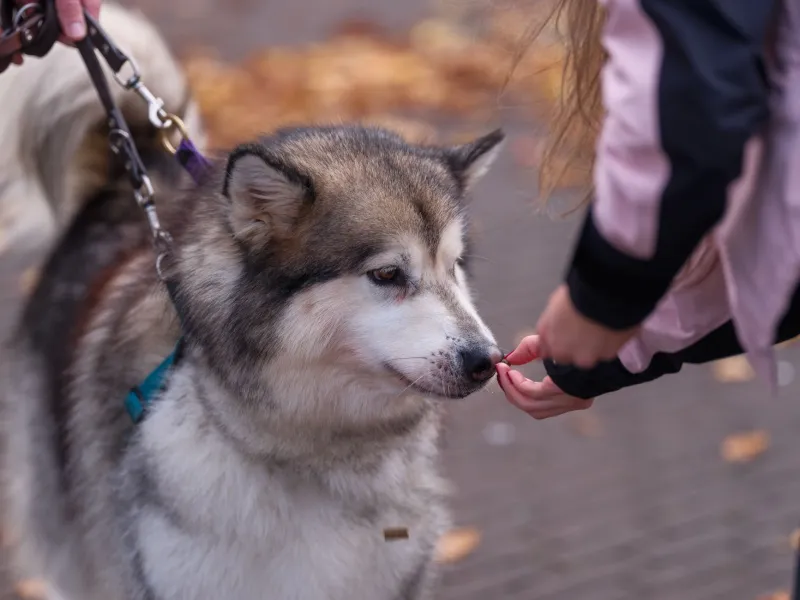
Start with the easy wins. Open with two or three commands your dog knows cold — things like "sit," "touch," or "watch me." Keep the reps fast, the rewards flowing, and the energy upbeat. This isn't a test. It's a warm-up.
Layer in the rustier stuff. If there's a behavior your dog has been inconsistent with lately — maybe a "down-stay" or a recall under distraction — now's the time to revisit it. Set the environment up for success. Keep the criteria reasonable. Rebuild fluency before you raise the bar.
End with something your dog loves. Finish every review session on a high note with a behavior your dog finds genuinely fun and easy. This keeps the emotional association with training positive, which matters more than most people realize.
Building a Review Schedule That Actually Works
The biggest obstacle to consistent review is that it feels like you're not making progress. You're not learning anything new! But that's exactly the wrong way to look at it.
Here's a simple scheduling approach that works well for most pet owners:
- Every session: Begin with 2-3 fluent commands as a warm-up.
- Weekly: Dedicate at least one full session purely to reviewing the last 3-5 behaviors your dog has learned.
- Monthly: Do a broader "audit" — run through your dog's full command library and note anything that's gotten shaky. Those behaviors become your focus for the following weeks.
If you're working through a structured class or program, talk to your trainer about weaving review into your home practice schedule. Most coaches are thrilled when owners ask about this, because it shows you're thinking long-term.
The Confidence Factor Nobody Talks About
Review sessions don't just benefit your dog. They benefit you.
One of the sneaky reasons training stalls out for a lot of owners is a quiet erosion of confidence — on both ends of the leash. When you're constantly pushing into new territory, there's always the possibility of struggle, confusion, and frustration. That's part of learning, but it can grind on you after a while.
Review sessions give you and your dog a chance to just be good at something together. That feeling of fluency — where commands are crisp, responses are fast, and the whole thing just clicks — is genuinely motivating. It reminds you both why you started doing this in the first place.
Dogs who regularly experience that feeling of competence tend to approach new challenges with more confidence. And owners who regularly experience training success tend to train more consistently. It's a cycle that feeds itself in the best possible way.
Don't Confuse Boring with Unimportant
Let's be honest: review sessions don't have the same excitement as teaching your dog a flashy new trick. There's no "aha" moment when your dog finally nails a behavior they already know. It can feel repetitive, even a little pointless.
But the dogs at K9 Magic who have the most reliable, impressive command vocabularies? Their owners aren't just chasing the next cool behavior. They're putting in the unglamorous work of keeping everything sharp.
The magic isn't always in the new stuff. Sometimes it's in the quiet, consistent repetition of what your dog already knows — done often enough that it becomes truly unshakeable.
So the next time you sit down for a training session and feel the urge to jump straight to something new, try this instead: spend the first five minutes reviewing. Watch how your dog lights up when they know exactly what you're asking. Watch how much faster the new stuff clicks afterward.
That's not going backward. That's how you actually move forward.