Solo Stars, Group Disasters: Training Multiple Dogs Without Losing Your Mind

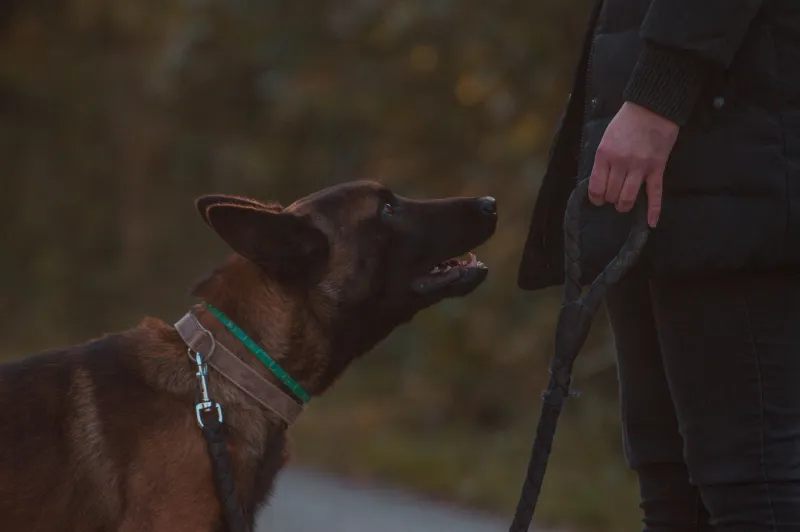
Photo by Photo by Matias Eduardo on Unsplash on Unsplash
You've put in the work. Biscuit nails his "sit" every single time. Maple holds her "stay" like a champ. Individually, they're basically model citizens. But the moment you try to run a training session with both of them in the same room? Pure, unhinged chaos. Biscuit starts bouncing off the walls, Maple forgets her own name, and you're standing there wondering if you imagined all those solo wins.
Welcome to one of the most common — and most frustrating — realities of owning multiple dogs. You're not doing anything wrong. Your dogs aren't broken. But something very real and very specific is happening in their brains when the pack comes together, and understanding it is the first step to fixing it.
Why Group Dynamics Rewire Your Dog's Brain
When dogs are alone with you, the social math is simple: it's just the two of you, and your dog can focus entirely on reading your cues, earning rewards, and figuring out what you want. The feedback loop is clean and tight.
Add another dog to that picture and everything changes. Dogs are profoundly social animals, and their attention systems are wired to prioritize other dogs — especially familiar ones — above almost everything else. It's not stubbornness. It's biology. In a group setting, your dog is suddenly managing a whole second layer of social information: Where is the other dog? What are they doing? Are they about to get a treat I should be competing for? Should I defer to them or assert myself?
That mental load is enormous, and it crowds out the focused attention your training depends on. What looks like regression is really just your dog's brain getting overwhelmed by competing priorities.
There's also a phenomenon trainers sometimes call "social facilitation" — the tendency for dogs to amplify each other's energy and behavior. One dog gets excited, the other catches that excitement, and suddenly you've got a feedback loop that has nothing to do with you or your commands. They're basically hyping each other up.
The Pack Hierarchy Factor
Every multi-dog household has some version of a social hierarchy, even if it's subtle. When you're training together, that hierarchy plays out in real time — and it can seriously complicate things.
The more dominant dog may physically interrupt the other dog's training moments, block access to rewards, or simply distract the other dog with their presence. The more submissive dog, meanwhile, might shut down entirely when the other dog is nearby, too focused on monitoring the social situation to engage with you.
Different temperament combinations create different problems. A bold, pushy dog paired with an anxious one is a particularly tricky combo — the anxious dog needs calm, predictable conditions to learn, while the bold dog tends to generate exactly the opposite.
Knowing your dogs' individual temperaments and how they interact isn't just interesting — it's essential tactical information for designing group training sessions that actually work.
Step One: Earn Those Solo Skills First (Really Earn Them)
Before you ever attempt a group session, each dog needs to have individual behaviors on near-automatic pilot. "Near-automatic" means your dog performs the behavior reliably in multiple locations, with mild distractions present, without needing repeated cues.
If Biscuit only sits reliably in the kitchen with zero distractions, that skill isn't ready for group training. If Maple's "stay" falls apart the second a squirrel appears outside, you're not there yet. The bar for individual reliability needs to be high, because group training is going to throw significant distraction at both dogs simultaneously.
Spend more time on solo sessions than you think you need. It's not wasted time — it's the foundation everything else is built on.
Step Two: Introduce the Group Gradually
Don't go from solo sessions to full group chaos overnight. The transition should be gradual, almost boring in its incrementalism.
Start by training one dog while the other is present but physically separated — behind a baby gate, on a tether across the room, or in an exercise pen. Your active dog gets to practice working with mild social distraction present, but without direct interaction. Rotate which dog is "working" and which is watching.
Once both dogs can handle that setup calmly, reduce the physical distance. Let the watching dog get a little closer. Then closer. You're building a new association: another dog being nearby means training happens, rewards flow, and good things occur. You're reframing the group dynamic from "exciting chaos trigger" to "familiar, productive routine."
Step Three: Use Parallel Training Before Simultaneous Training
Parallel training is one of the most underused tools in multi-dog households. Instead of asking both dogs to perform the same command at the same time, you work them in parallel — one dog holds a "sit" or "down" while you actively train the other, then you switch.
This teaches impulse control and patience without requiring your dogs to ignore each other entirely. The dog who's waiting is still working — they're practicing self-regulation, which is genuinely hard and genuinely valuable.
Simultaneous commands (asking both dogs to sit at the same time) can come later, once parallel training is smooth and both dogs are comfortable with the group dynamic.
Step Four: Manage the Reward Economy
Competition over treats is one of the biggest drivers of group session chaos. If your dogs think there's a limited supply and only the fastest one wins, you're going to get frantic, pushy behavior from both of them.
A few things help here: use separate training spaces (even just a few feet apart) so rewards are clearly associated with each dog's individual performance. Train dogs in different positions relative to you so there's less direct competition. And reward generously — scarcity mindset is the enemy of calm group training.
For households where resource guarding is a real issue between dogs, consult with a professional trainer before attempting group sessions. Some dynamics need hands-on behavioral coaching before group training is safe or productive.
Step Five: Keep Sessions Short and End on Wins
Group sessions should be shorter than solo sessions, at least initially. The cognitive load is higher for everyone involved — including you — and fatigue leads to mistakes. Aim for five to ten minutes of quality group work rather than pushing for twenty minutes of increasingly frantic nonsense.
Always, always end on a win. If things are starting to unravel, simplify. Ask for a behavior both dogs know cold, reward generously, and call it a day. You want both dogs walking away from group sessions with a positive association, not a stressed one.
The Long Game
Here's the honest truth: training a multi-dog household takes longer and requires more patience than training a single dog. That's just the reality. But the payoff — a home where multiple dogs are genuinely well-behaved together, not just individually — is absolutely worth the extra effort.
Your dogs aren't conspiring against you when they lose their minds together. They're just being dogs, responding to the social world around them in totally predictable ways. Once you understand the mechanics, you can work with those instincts instead of against them.
Solo stars can absolutely become a great group act. It just takes a little more rehearsal.